Wildscape Sri Lanka
Adventure Travel in Sri Lanka: Trekking, Rafting, and Whale Watching
"Adventure" covers a lot of ground in Sri Lanka, and not all of it suits the same trip. Trekking, white-water rafting, and whale watching ask different things of you — different physical intensity, different regions of the island, and different seasons — so the more useful question isn't "what's on offer" but "which of these actually fits my itinerary." Here's how the main activities compare, and what to weigh before picking one.
What Counts as Adventure Travel in Sri Lanka
For a small island, Sri Lanka packs in a genuinely varied set of active experiences: misty hill-country trekking, white-water rapids, and open-water excursions among them. None of it requires committing to a separate "adventure holiday" — a rafting morning or a highland hike can sit inside a wider trip built around wildlife or culture just as easily as around itself. The activities below are grouped by what they actually involve, not by how they're marketed, since that's what matters when deciding whether one fits your trip.
Trekking and Hiking
Sri Lanka's trekking splits into a few genuinely different experiences rather than one generic "hike":
- Knuckles Range — a mountain range with cloud forest, varied trails, and a quieter feel than Sri Lanka's better-known hill-country stops.
- Horton Plains — a hike to the World's End escarpment, more of a walk than a climb, and a good fit if you want a dramatic viewpoint without a demanding ascent.
- Adam's Peak — a traditional night climb, timed for sunrise at the summit. This one is as much an endurance and timing exercise as a hike, and suits travelers happy to start walking well before dawn.
- Sinharaja — a UNESCO-listed rainforest reserve, and a different kind of trek again: dense rainforest rather than open highland, better suited to travelers more interested in the forest itself (and its wildlife) than the summit.
The common thread is that "trekking" here isn't one fixed difficulty level — Horton Plains and Adam's Peak alone are different enough in pace and timing that they suit different travelers within the same trip.
White-Water Rafting at Kitulgala
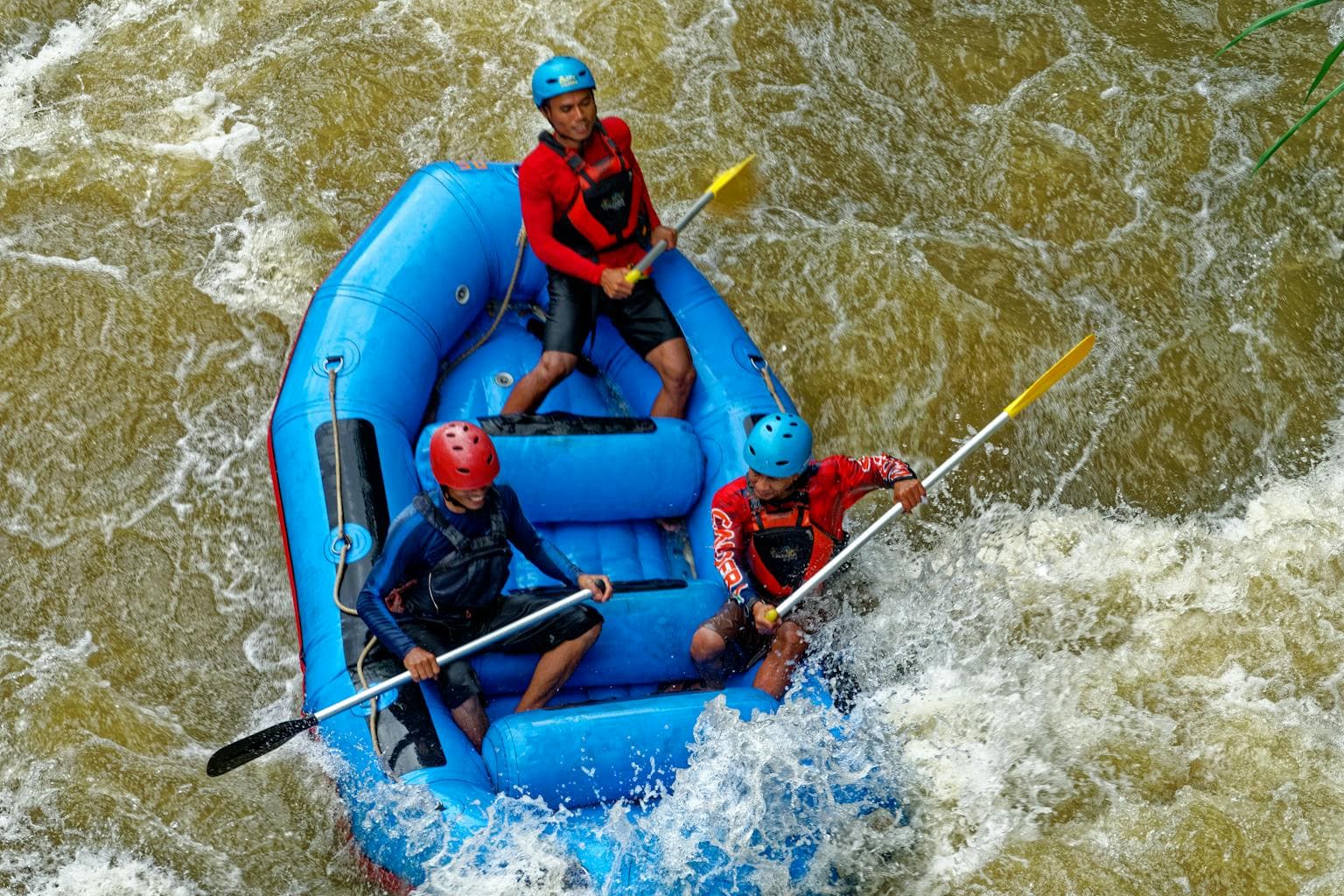
Kitulgala, on the Kelani River, is Sri Lanka's established rafting base, and it's generally approached as suitable for first-timers as well as more experienced rafters — exact suitability on a given day depends on river conditions. As a planning matter, it's a half-day-to-full-day activity rather than a multi-day commitment, which makes it easy to slot into a broader itinerary without reshaping the rest of the trip around it.
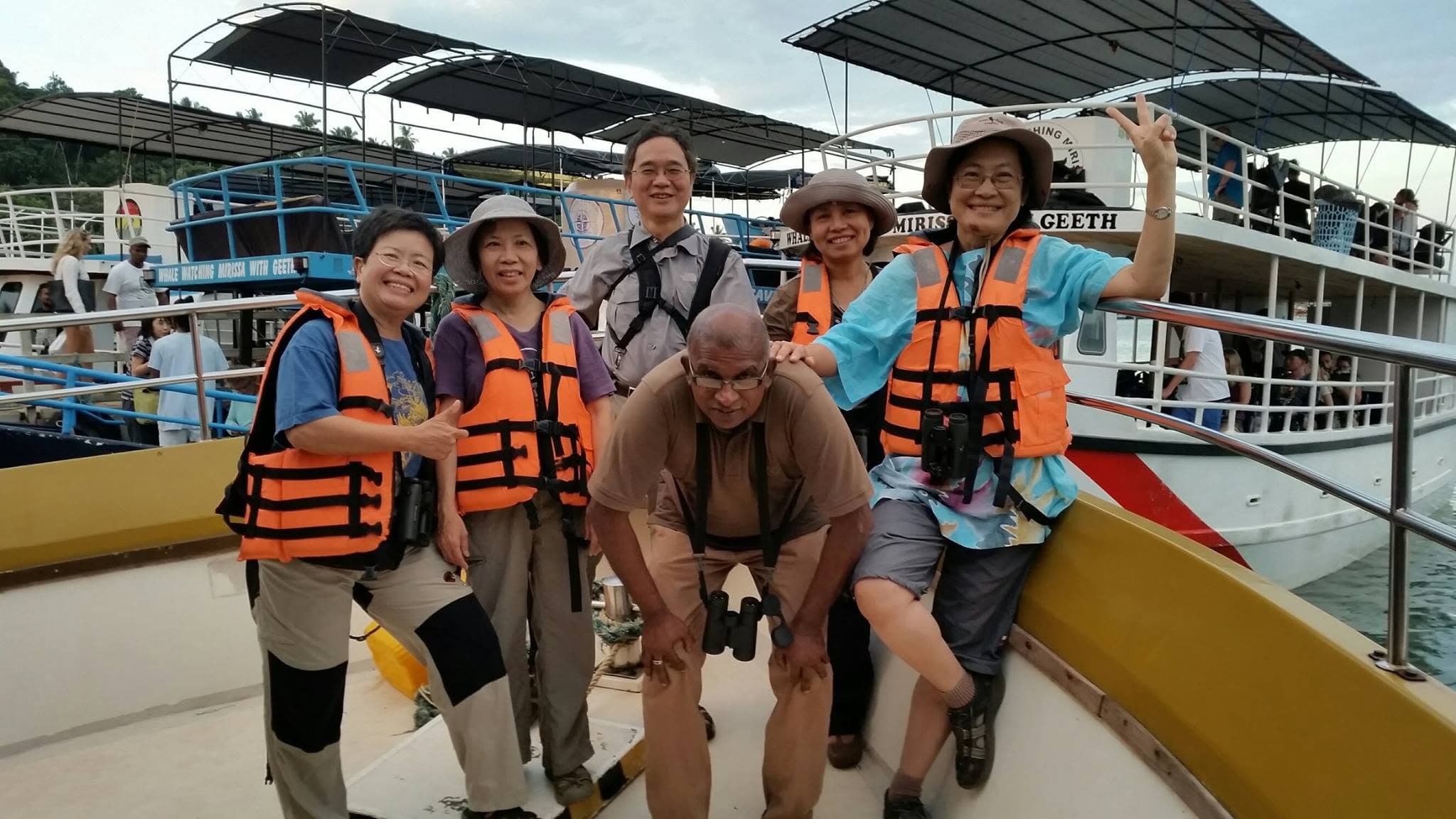
Whale Watching off Mirissa and Trincomalee
This is the activity where timing matters most, because the two main bases generally operate on opposite seasonal windows: Mirissa, on the south coast, is typically associated with November to April, while Trincomalee, on the east coast, is generally the better fit from May to October. That split follows the island's monsoon pattern — the coast that's calmer for boat excursions changes with the season — so which one is realistic for your trip depends largely on when you're traveling, not on which you'd simply prefer. A trip planned for August, for example, generally points toward Trincomalee rather than Mirissa.
Surfing at Arugam Bay
Arugam Bay, on the east coast, is Sri Lanka's best-known surf destination, and — like whale watching — it has a seasonal window that differs from the south-west coast's. It's a smaller piece of most itineraries than trekking, rafting, or whale watching, but worth knowing about if beach time is already part of your trip and the season lines up.
How Active Is an Adventure Trip in Sri Lanka?
Not every adventure activity requires the same level of fitness. A rafting trip can be relatively easy to add to a sightseeing itinerary, while Adam's Peak involves a sustained climb and an early start. Highland hikes vary too, from the more accessible walking routes at Horton Plains to longer or more demanding trails in the Knuckles Range.
If you're combining several activities, it makes sense to balance demanding days with wildlife, cultural visits, or slower travel days. The best adventure itinerary is not necessarily the one with the most activities — it is the one that fits your pace and leaves enough time to enjoy the rest of the trip.
When to Go: Matching Seasons to Activities
Because these activities are spread across different coasts and regions, no single month is "best" for all of them at once. Here's how the main seasonal windows generally line up:

- Whale watching, Mirissa (south coast): typically November – April
- Whale watching, Trincomalee (east coast): typically May – October
- Surfing, Arugam Bay (east coast): roughly April/May – September
- Rafting, Kitulgala: possible year-round, with conditions depending on the river and weather on the day
- Highland trekking (Knuckles, Horton Plains, Adam's Peak): generally more favorable during the drier months, with December – March often offering clearer conditions
Treat this as a starting point for planning rather than a fixed calendar. River and trail conditions can vary, and an itinerary built around one specific activity should be timed around that activity's actual window rather than around a generic "best time to visit Sri Lanka."
Combining Adventure with Wildlife and Culture
None of this needs to be a separate trip. Adventure regions sit close to several national parks, so a rafting or trekking leg can be followed directly by a wildlife safari without much extra travel time. Kitulgala, in particular, isn't far from the Cultural Triangle, which makes it straightforward to add a day of rafting or hiking to a heritage-focused itinerary rather than treating adventure and culture as competing choices.
Because the right mix depends on your dates, fitness level, and what else is on your itinerary, this is usually easier to work out as part of a tailor-made trip than to fit into a fixed package.
Planning Your Adventure Trip
If you already know which activity you're drawn to, our Adventure Tours page covers the practical detail — regions, suitability, and how activities combine. If you're still weighing trekking against rafting against whale watching, get in touch with your travel dates and what you're hoping to get out of the trip, and we'll help you work out which combination actually fits.